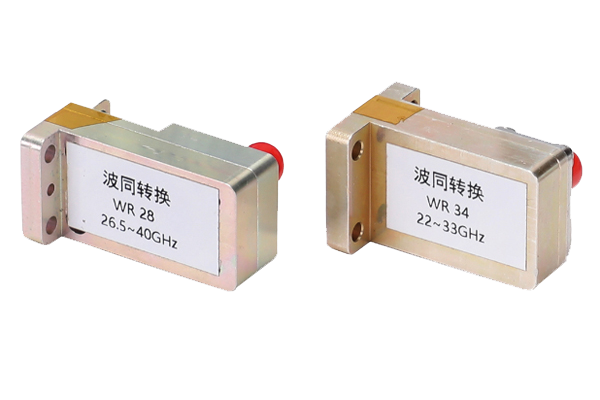
Pin diodes have become a crucial element in high-frequency systems because of their innate electrical traits Their capability to switch quickly between conductive and non-conductive states combined with low capacitance and insertion loss makes them suitable for switches modulators and attenuators. The core switching mechanism for PIN diodes is based on bias-driven control of current across the junction. Voltage bias impacts the depletion layer width across the junction and consequently the conduction. Setting different bias levels allows PIN diodes to perform high-frequency switching with minimal distortion
For applications demanding exact timing and control PIN diodes are typically incorporated into complex circuitry They are implemented in RF filtering schemes to enable selective frequency band passage or blockage. Moreover their high-power handling capability renders them suitable for use in amplification division and signal generation stages. Advances producing smaller and efficient PIN diodes have widened their roles in modern wireless and radar applications
Coaxial Switch Design Principles and Analysis
Coaxial switch development is multifaceted and calls for precise management of several parameters The operation of a coaxial switch is affected by the selected switch topology frequency band and insertion loss behavior. Designs should focus on cutting insertion loss and increasing isolation to improve switch performance
Performance analysis requires evaluating key metrics such as return loss insertion loss and isolation. Assessment employs simulation, analytical modeling and experimental measurement techniques. Careful and accurate evaluation is vital to certify coaxial switch reliability in systems
- Simulations combined with analytic methods and practical experiments are standard for coaxial switch evaluation
- Temperature, mismatched impedances and manufacturing variances often have strong effects on switch performance
- Contemporary advances and emerging developments in coaxial switch engineering seek improved metrics with smaller size and reduced power
Design Strategies for Low Noise Amplifiers
Improving LNA performance efficiency and gain is key to maintaining high signal fidelity across applications Successful optimization depends on proper transistor selection correct biasing and appropriate circuit topology. Effective LNA designs minimize internal noise and maximize clean signal gain with little distortion. Simulation based analysis is critical to understand design impacts on LNA noise performance. Targeting a small Noise Figure quantifies how well the amplifier keeps the signal intact against intrinsic noise
- Choosing transistors with inherently low noise characteristics is critically important
- Properly set optimal and appropriate biasing reduces transistor noise generation
- Topology of the circuit strongly affects total noise performance
Techniques like impedance matching noise cancellation and feedback control can further elevate LNA performance
Wireless Path Selection via PIN Switches
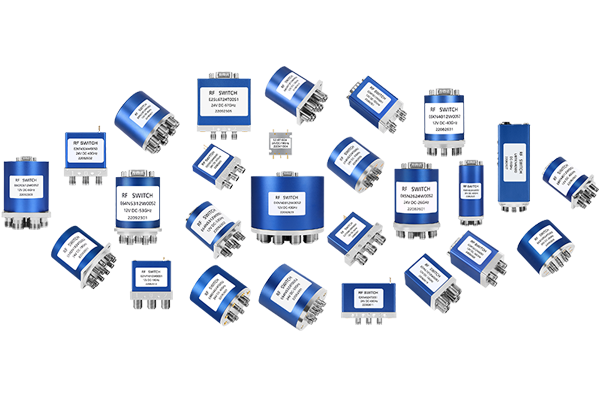
Pin diode switch arrangements provide adaptable and low-loss routing for RF signal management Rapid switching capability of these semiconductors supports dynamic path selection and control. Strong isolation and low insertion loss in PIN diodes contribute to reduced signal degradation. They are commonly used in antenna selection duplexers and phased array RF antennas
A control voltage governs resistance levels and thereby enables switching of RF paths. When off or deactivated the diode exhibits high resistance effectively blocking RF energy. A positive bias drives the diode into lower resistance so RF energy can pass through
- Moreover furthermore additionally PIN diode switches provide quick switching low energy use and small form factors
Different design configurations and network architectures of PIN diode switches provide flexible routing functions. By interconnecting multiple switches designers can build dynamic switching matrices for flexible path configuration
Performance Efficacy Assessment of Coaxial Microwave Switches
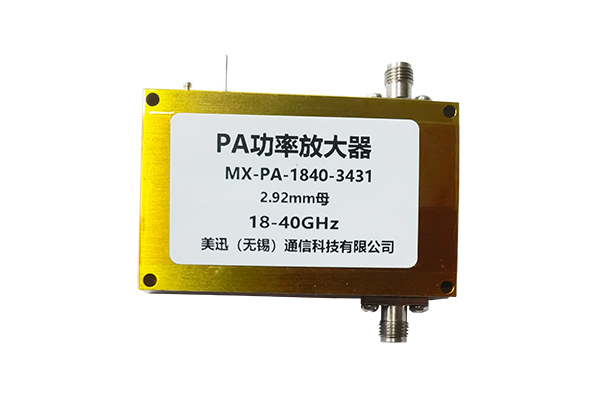
Extensive testing and evaluation are important to ensure coaxial microwave switches operate optimally in complex systems. Diverse factors including insertion reflection transmission loss isolation switching speed and frequency span impact performance. Complete evaluation comprises quantifying these parameters across different operating environmental and test conditions
- Further the testing should consider reliability robustness durability and capability to withstand harsh environmental factors
- Ultimately the conclusions of a detailed evaluation deliver important valuable critical intelligence for choosing designing and refining switches for specific tasks
Thorough Review of Noise Reduction Methods for LNAs
Low noise amplifiers are fundamental in wireless RF systems as they amplify weak signals and reduce noise contributions. This review presents a thorough examination analysis and overview of noise mitigation strategies for LNAs. We examine investigate and discuss the fundamental noise sources including thermal shot and flicker noise. We examine noise matching feedback loop designs and bias optimization techniques for noise mitigation. The review underlines recent breakthroughs like innovative materials and circuit architectures that achieve lower noise figures. By elucidating noise reduction principles and applied practices the article aims to be a valuable resource for engineers and researchers building high performance RF systems
PIN Diode Uses in Rapid Switching Systems
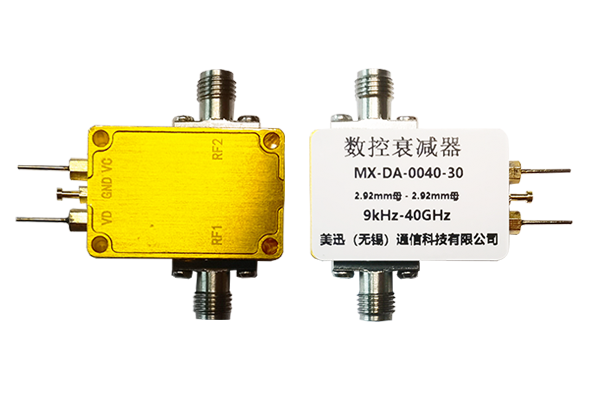
Their remarkable unique and exceptional electrical traits make them apt for high speed switching systems Minimal capacitance and low resistance support rapid switching speeds for applications needing accurate timing. Also PIN diodes respond proportionally to voltage which allows controlled amplitude modulation and switching actions. This versatility flexibility and adaptability makes them suitable applicable and appropriate for a wide range of high speed applications They find use in optical communications microwave circuitries and signal processing devices and equipment
Coaxial Switch IC Integration and Circuit Switching
Integrated coaxial switch circuits offer advancement in signal routing processing and handling across electronic systems circuits and devices. Such integrated circuits are built to control manage and direct signal flow over coaxial lines while delivering high frequency performance and low propagation or insertion latency. IC miniaturization enables compact efficient reliable and robust designs ideal for dense interfacing integration and connectivity needs
- With careful meticulous and rigorous deployment of these approaches developers can accomplish LNAs with outstanding noise performance enabling trustworthy sensitive electronics Through careful meticulous and rigorous implementation of these approaches engineers can achieve LNAs with exceptional noise performance supporting sensitive reliable systems Through careful meticulous and rigorous application of such methods engineers can design LNAs with top low-noise amplifier tier noise performance enabling dependable sensitive systems With careful meticulous and rigorous deployment of these approaches developers can accomplish LNAs with outstanding noise performance enabling trustworthy sensitive electronics
- Deployment areas span telecommunications data communications and wireless networking environments
- Aerospace defense and industrial automation are key domains for integrated coaxial switch technology
- IC coaxial switching finds roles in consumer electronics audio visual equipment and test and measurement tools
Considerations for LNA Design at Millimeter Wave Frequencies
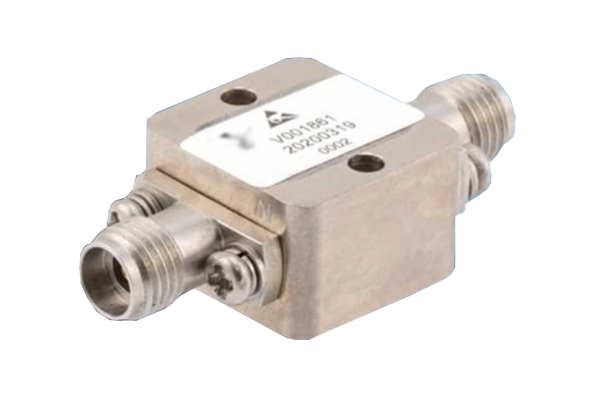
LNA design at millimeter wave frequencies faces special challenges due to higher signal attenuation and amplified noise impacts. Component parasitics strongly influence mmWave performance mandating careful PCB layout and component choice. Input matching minimization and power gain maximization are critical essential and important for mmWave LNAs. Choice of active devices such as HEMTs GaAs MESFETs or InP HBTs is crucial to reach low noise figures at mmWave. Moreover the implementation and tuning of matching networks is critical to achieving efficient power transfer and correct impedance matching. Consideration of package parasitics is required because they may adversely impact LNA performance at mmWave. Applying low loss transmission lines and meticulous ground plane design is essential necessary and important to lower signal reflection and keep bandwidth
Characterization Modeling Approaches for PIN Diodes in RF Switching
PIN diodes operate as essential components elements and parts in diverse RF switching applications. Comprehensive accurate and precise characterization of these devices is essential to enable design development and optimization of reliable high performance circuits. The work involves analyzing evaluating and examining electrical characteristics like voltage current resistance impedance and conductance. Their frequency response bandwidth tuning capabilities and switching speed latency or response time are likewise measured
Moreover additionally the crafting of accurate models simulations and representations for PIN diodes is essential crucial and vital for predicting RF behavior. Different modeling methods like lumped element distributed element and SPICE models exist. The choice of model simulation or representation copyrights on the specific application requirements and the desired required expected accuracy
Innovative Advanced Techniques for Low Noise Amplifier Engineering
Developing LNAs involves diligent consideration of circuit topology and components to obtain optimal noise performance. New and emerging semiconductor advances have led to innovative groundbreaking sophisticated design techniques that lower noise substantially.
Examples of techniques are implementing employing and utilizing wideband matching networks choosing low noise transistors with strong intrinsic gain and optimizing biasing schemes strategies and approaches. Additionally advanced packaging solutions and thermal management approaches are key to cutting noise contributions from external factors. Through careful meticulous and rigorous application of such methods engineers can design LNAs with top tier noise performance enabling dependable sensitive systems
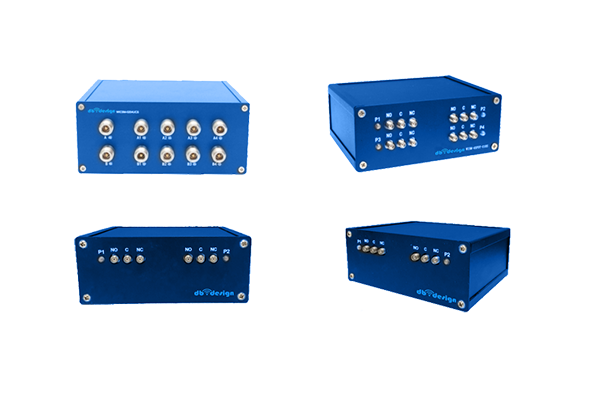
Comments on “steering-ready precision latency-minimized pin-diode switching module for communication nodes”